
GET MORE INFO
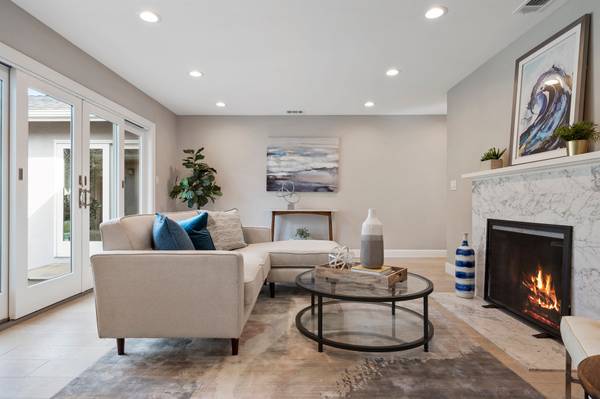
Single Family Home $ 1,680,000
601 N Central Ave
Campbell, CA 95008
- 4 Beds
- 3 Baths Full Baths: 3
- 1,979 SqFt
- 8,481 Lot Size
- 1954 Year Built
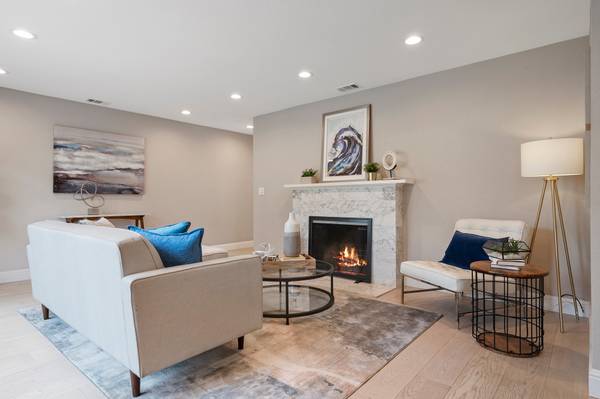
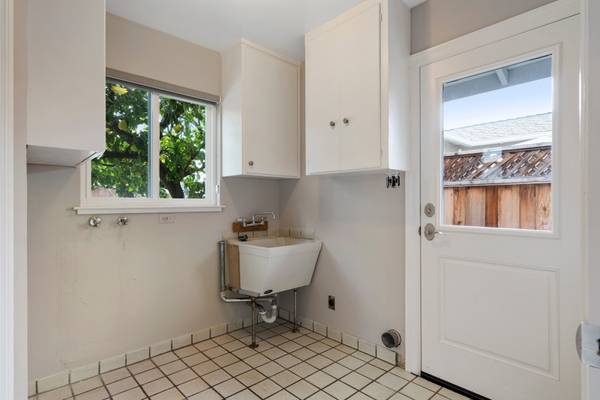
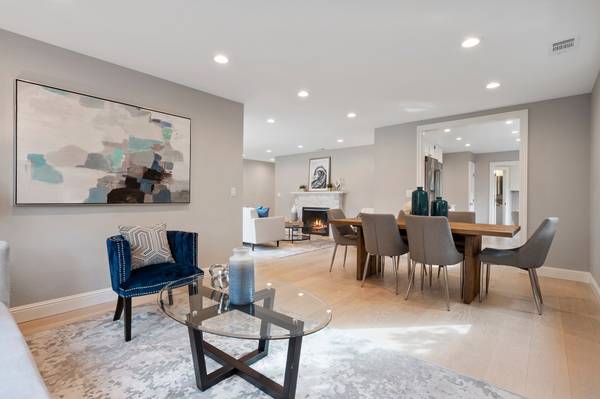
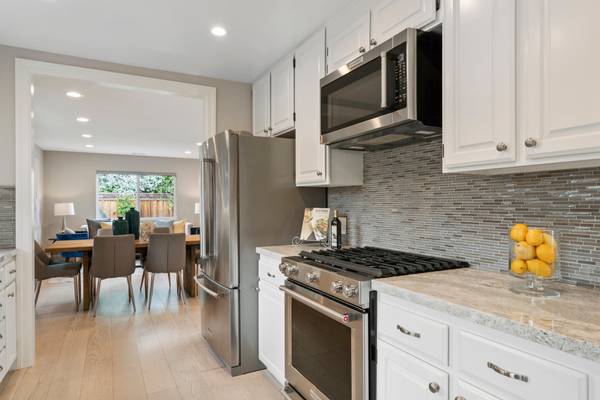
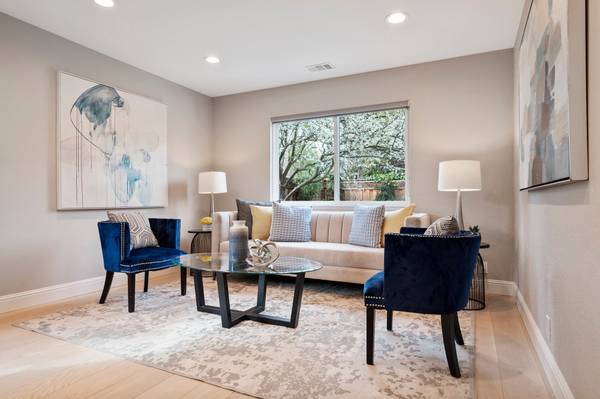
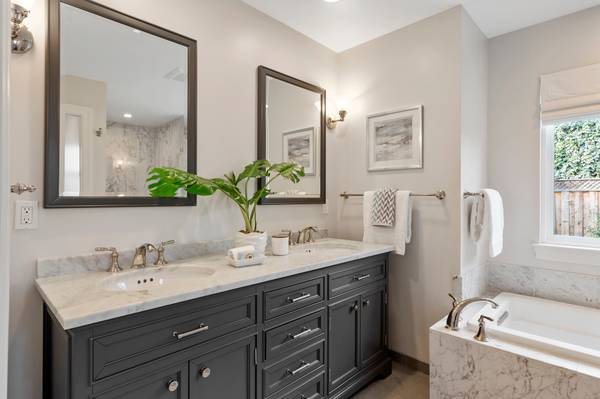
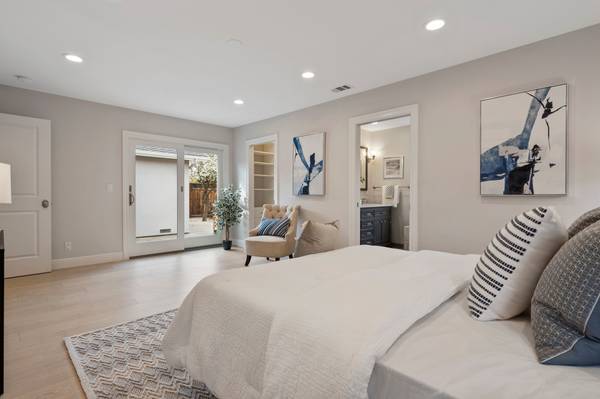
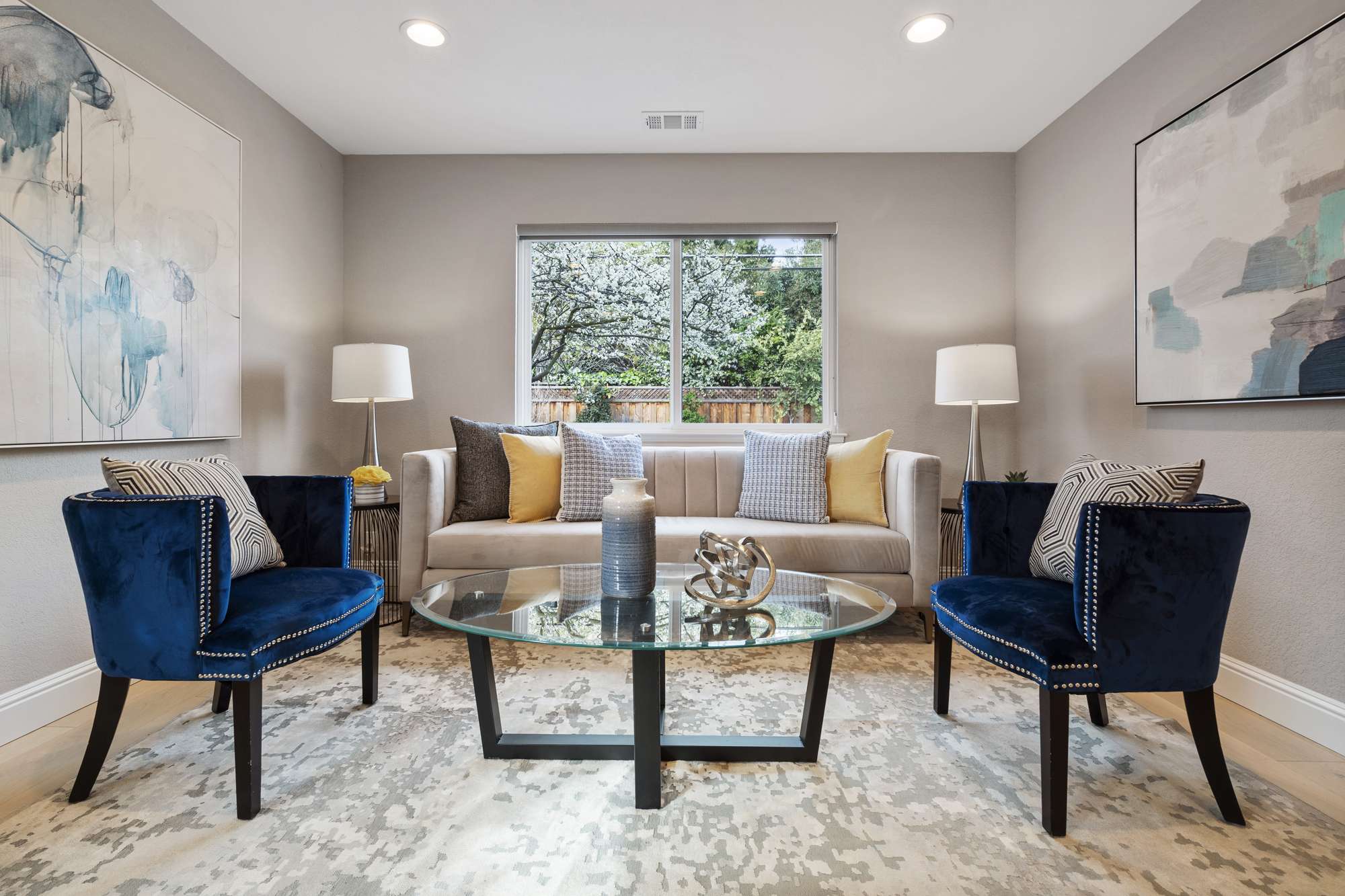
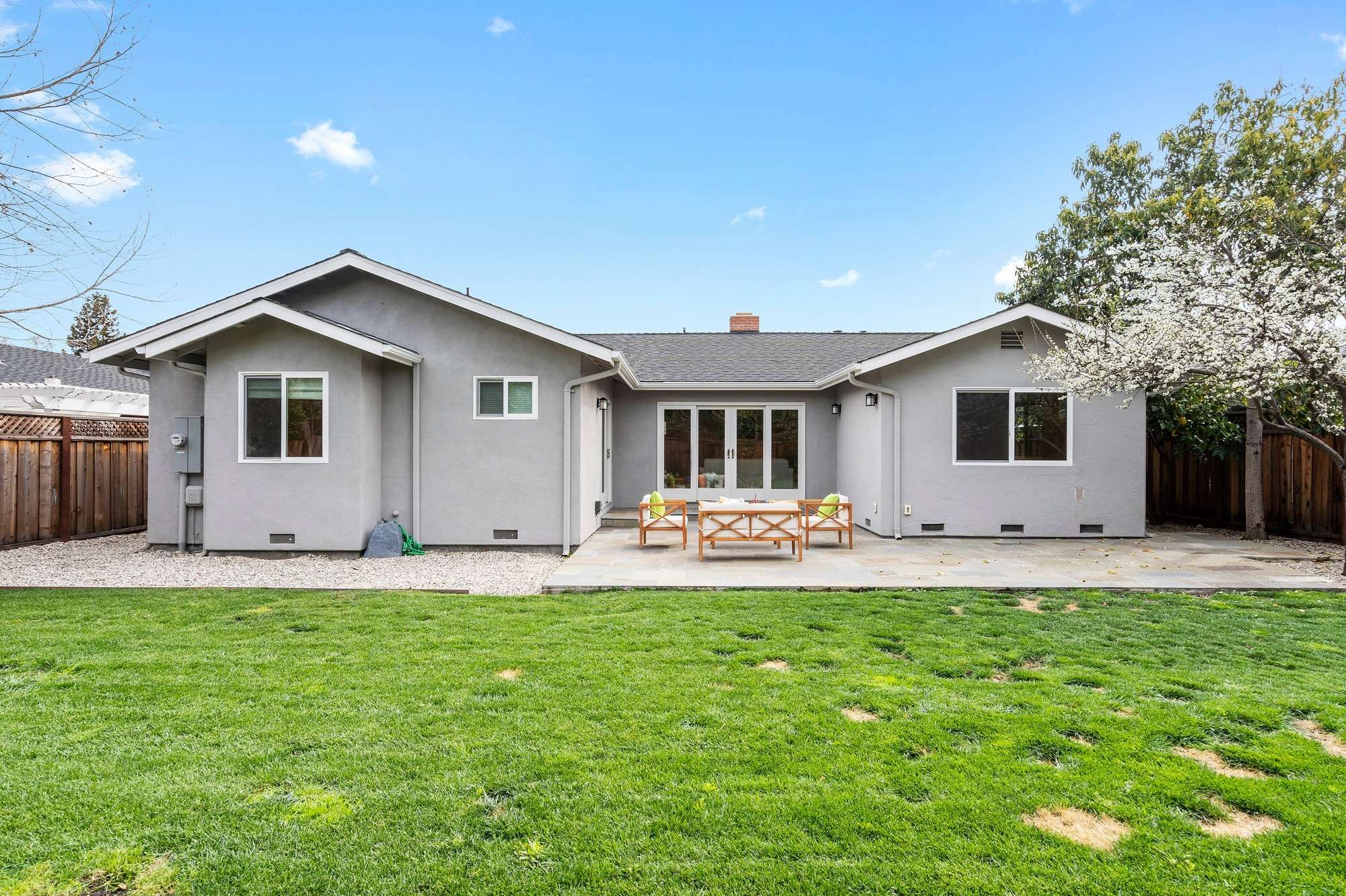
Welcome to 601 N Central. Thoughtfully remodeled in 2016 with a 600 sf of additional living space this home boasts everything needed for a comfortable lifestyle. The flexible floorplan includes a great room that showcases 2 living areas, a dining room and custom sliding doors leading to the back patio perfect for indoor/outdoor living. In the open kitchen enjoy quartz countertops, stainless steel appliances, a warm breakfast nook, and access to the laundry room. The east wing features 3 large bedrooms, including an oversized master suite w/designer bathroom & walk-in closet. The 4th bedroom is centrally located & functions equally well as an office, playroom, or formal dining room. Lined with an array of fruit trees, the large lot offers an ideal place to enjoy the California sun. Central Campbell location close to all things Silicon Valley. Walk downtown to the award-winning Campbell Farmers Market, coffee shops & 1st class restaurants. 3mi to Netflix HQ, 5mi to Google Village & 6mi to Apple Park.
Listed by Boyenga Team of Boyenga Team / Compass
GALLERY
View More
PROPERTY DETAIL
Key Details
Property Type Single Family Home
Listing Status Active
Purchase Type For Sale
Square Footage 1, 979 sqft
Price per Sqft $848
Bedrooms 4
Full Baths 3
Year Built 1954
Lot Size 8,481 Sqft
Location
State CA
County Santa Clara
Building
Story 1
Campbell History
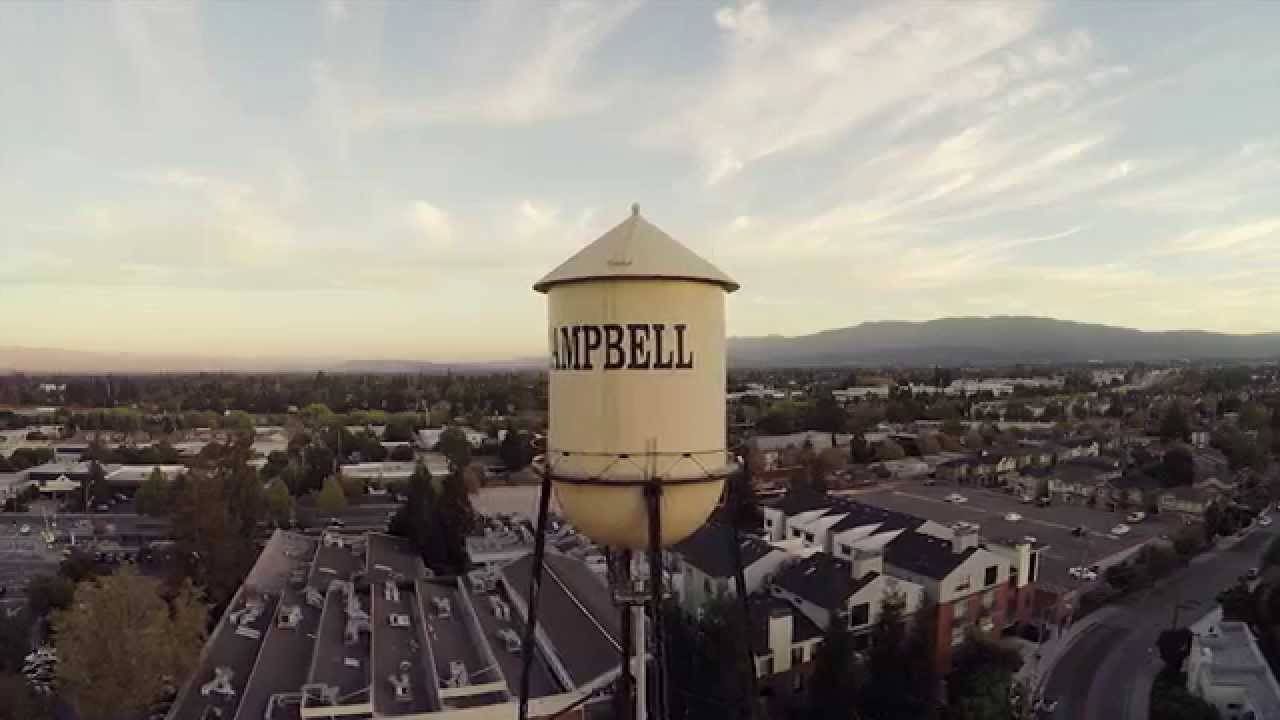
Benjamin Campbell, Campbell's founder, came west in 1846 with his family. His father, William, is noted for having surveyed the cities of San Jose and Santa Clara, and for starting a sawmill near the town of Saratoga. In 1851, Benjamin Campbell bought 160 acres and planted it with hay and grain. This acreage later became Campbell's historical downtown core.
In 1878, Mr. Campbell sold an acre of his land for $5 to the railroad and by 1887 the first subdivision was recorded west of the railroad from Campbell Avenue to the spot where the Water Tower Plaza now stands. The area became the center for shipping fruit, and within a short period of time, the drying grounds and canneries made Campbell an important rail center. The Campbell Fruit Growers' Union became a well known cooperative with its 17-acre drying yard.
Canneries
There were three major canneries in Campbell such as the J.C. Ainsley Packing Company, Hyde Cannery, and Payne Cannery. Most of the output of high quality fruit from the Ainsley Cannery was shipped to England. Ainsley Park, located between Harrison and the railroad tracks, commemorates the man and his cannery. Of special interest in the park are two giant black walnut trees that were planted by the Swope family, descendants of Benjamin Campbell.
Bank of Campbell
With all the industry, Campbell needed a bank, and in 1895, the Bank of Campbell was established at the corner of Campbell and Central Avenues. The Bank of Campbell, now called the Farley Building, is Campbell's oldest commercial building.
President Theodore Roosevelt
President Theodore Roosevelt visited Campbell in 1903. He came at the request of Professor J. Fred Smith, the first principal of Campbell Union High School. While here, President Roosevelt planted a redwood tree on the school grounds. The Campbell Union High School closed its doors in 1980 and now serves as a community center, providing a meeting place for a variety of clubs and organizations.
Board of Trade
Campbell was first known for its churches, which once directed community life. Later, the Board of Trade became the leading community service. The Board of Trade is now known as the Campbell Chamber of Commerce.
Campbell's Official Incorporation
Campbell was officially incorporated as a city in 1952. City offices occupied several buildings, such as Fire House No. 1 and the old Congregational Church, before the official City Hall was built. Campbell has grown from a small farming community with a population of approximately 5,000 to a progressive community with a population of over 38,000.
In 1878, Mr. Campbell sold an acre of his land for $5 to the railroad and by 1887 the first subdivision was recorded west of the railroad from Campbell Avenue to the spot where the Water Tower Plaza now stands. The area became the center for shipping fruit, and within a short period of time, the drying grounds and canneries made Campbell an important rail center. The Campbell Fruit Growers' Union became a well known cooperative with its 17-acre drying yard.
Canneries
There were three major canneries in Campbell such as the J.C. Ainsley Packing Company, Hyde Cannery, and Payne Cannery. Most of the output of high quality fruit from the Ainsley Cannery was shipped to England. Ainsley Park, located between Harrison and the railroad tracks, commemorates the man and his cannery. Of special interest in the park are two giant black walnut trees that were planted by the Swope family, descendants of Benjamin Campbell.
Bank of Campbell
With all the industry, Campbell needed a bank, and in 1895, the Bank of Campbell was established at the corner of Campbell and Central Avenues. The Bank of Campbell, now called the Farley Building, is Campbell's oldest commercial building.
President Theodore Roosevelt
President Theodore Roosevelt visited Campbell in 1903. He came at the request of Professor J. Fred Smith, the first principal of Campbell Union High School. While here, President Roosevelt planted a redwood tree on the school grounds. The Campbell Union High School closed its doors in 1980 and now serves as a community center, providing a meeting place for a variety of clubs and organizations.
Board of Trade
Campbell was first known for its churches, which once directed community life. Later, the Board of Trade became the leading community service. The Board of Trade is now known as the Campbell Chamber of Commerce.
Campbell's Official Incorporation
Campbell was officially incorporated as a city in 1952. City offices occupied several buildings, such as Fire House No. 1 and the old Congregational Church, before the official City Hall was built. Campbell has grown from a small farming community with a population of approximately 5,000 to a progressive community with a population of over 38,000.
Similar Homes
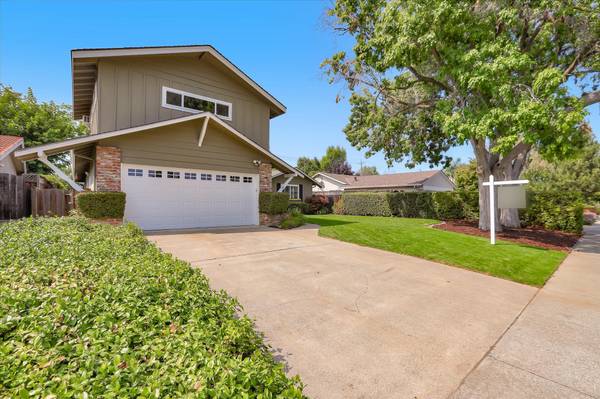
Check for similar Single Family Homes at price around $1,680,000 in Campbell,CA
CONTACT

Eric & Janelle Boyenga
Powered by Lofty Inc. Copyright 2026. All Rights Reserved. Privacy Policy & TOS